 EN
Trades News
Stay up to date with the latest industry news, Newton announcements, and sales resources!

Air purifiers have become common in households, yet many families make a mistake: prioritizing the main unit while overlooking the filter. Many users keep their purifiers running for years without replacing the filter. As a core component, the filter directly determines purification performance. According to industry consumption data reported by the Shanghai Securities News, demand for indoor air treatment keeps rising, and the market for replacement air purifier filters is growing steadily. Consumers now focus less on comparing a unit’s CADR rating and pay more attention to filter material, compatibility and long-term running costs.
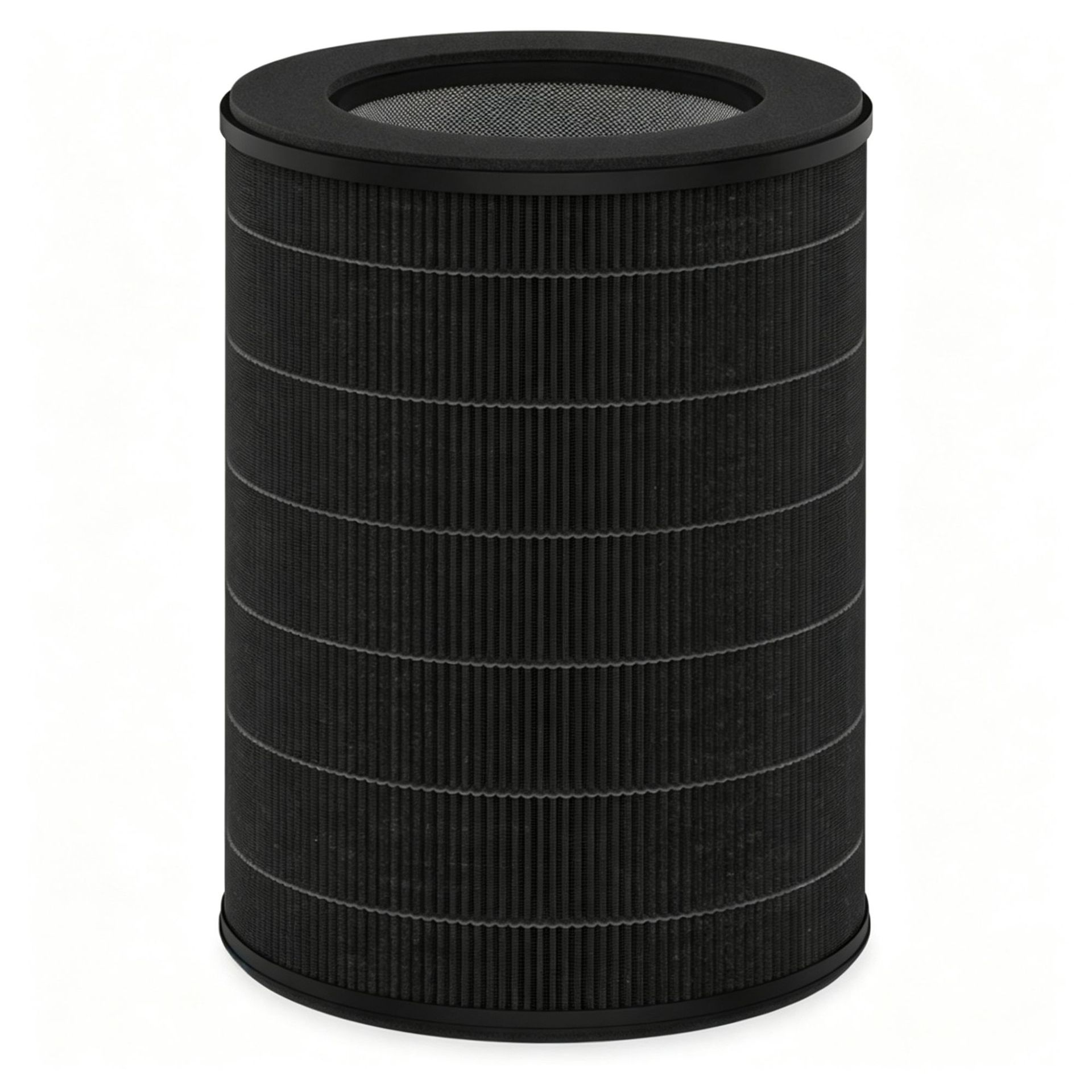
Indoor air pollutants come from various sources, including PM2.5, pollen, pet dander, formaldehyde and TVOC. Risks are especially high for newly renovated homes, nurseries and pet-owning households. Composite filters combining HEPA layers and activated carbon represent the mainstream solution: the HEPA layer traps fine particulate matter, while activated carbon absorbs odors and volatile harmful gases. Only this dual structure delivers long-lasting purification. Once a filter is clogged and saturated, airflow and purification efficiency drop sharply. Damp activated carbon may turn sour and re-release trapped pollutants, turning the air purifier itself into a new indoor pollution source and posing health risks.
The filter market is flooded with mixed-quality products, making filter selection pitfalls a hot topic. Original manufacturer filters usually carry high price tags, resulting in heavy long-term replacement costs. Cheap off-brand alternatives hide many flaws: fewer filter layers, reduced HEPA pleats, insufficient activated carbon, and falsely advertised filtration grades. They fail quickly. Though they seem budget-friendly, they are poor value for money. Many compatible filters require matching identification chips; missing chips will trigger error alerts and stop the purifier from working properly — a detail easily overlooked by shoppers.
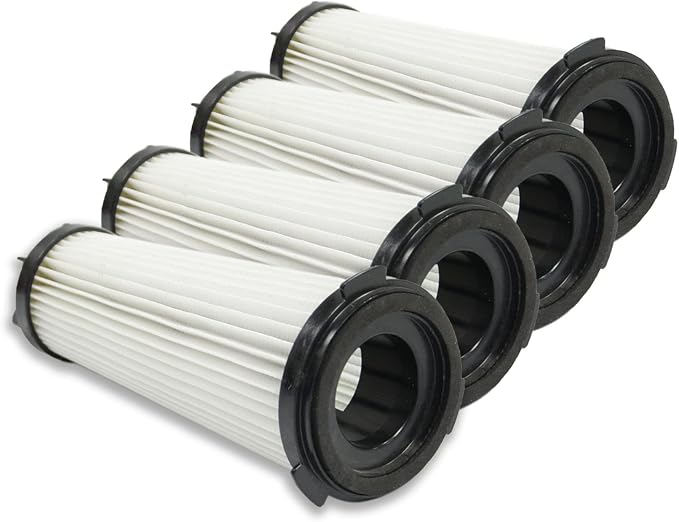
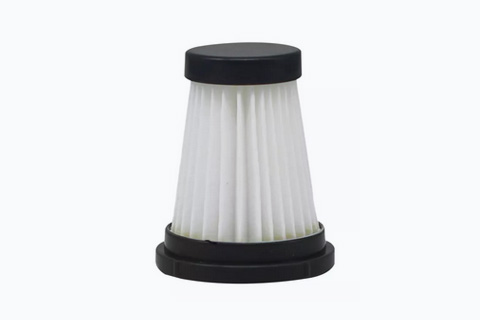
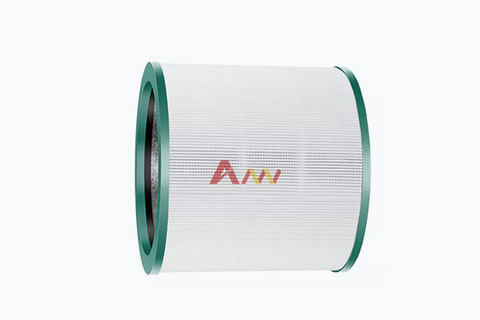
High-quality third-party compatible filters are gaining popularity, balancing reliable performance and affordability. Qualified filters use premium-grade HEPA media with tightly arranged pleats and moderate air resistance to maintain stable airflow. They are filled with ample high-density activated carbon for strong adsorption capacity, and feature well-sealed frames to prevent unfiltered air leakage. Made to match the dimensions and chip recognition protocols of mainstream models, they are simple to install and ready for immediate use. These cross-brand compatible filters fit a wide range of air purifiers, giving consumers more options and easing the pain point of “affordable purifiers, unaffordable consumables” (Source: Beijing News).
Industry professionals recommend scheduled filter replacement. For ordinary home use, inspect or replace filters every 6 to 12 months. The cycle should be shorter in smog-prone, humid environments or homes with pets. You can wipe surface dust off the filter regularly and keep the area dry to slow moisture damage and aging. When shopping, select products with clearly marked filtration grades and CCM (Cumulative Clean Mass) values, and steer clear of low-quality filters without transparent specifications or material descriptions.
Whether an air purifier can continuously protect your breathing depends largely on this small but vital filter. By carefully picking compatible, well-made replacement filters and sticking to maintenance schedules, you can keep your air purifier working reliably and deliver steady clean air for your family.