 EN
EN
News and Blog
Stay up to date with the latest industry news, Newton announcements, and sales resources!

Recently, as public awareness of home health continues to rise, the HEPA filter for vacuum cleaners has attracted growing attention from consumers. As the core filtering component of a vacuum cleaner, this small HEPA filter directly determines dust collection performance and indoor exhaust air quality. Responding to market trends, our company has released guidelines on HEPA filter selection, operation and maintenance, helping users use filters properly and avoid secondary pollution.
The HEPA filter acts as a critical barrier to trap fine dust. The H13-grade HEPA filter can efficiently capture 0.3-micron particulate matter, intercept dust mites, pollen, pet dander and other allergens. It prevents dust from flowing back into the room through the exhaust port during vacuuming, achieving genuine dust removal without air recontamination. Nowadays, households with pets, allergy sufferers and families with infants have rising demand for high-performance HEPA filters. HEPA filters have evolved from simple home appliance consumables into a vital health protection component for homes.
Many users hold a misconception that HEPA filters can be washed repeatedly indefinitely. Our technical team explains that the precise fibre structure inside most HEPA filter media will deform and delaminate if washed improperly. This damages the filtration structure and drastically reduces filtering efficiency. Only filters marked washable may be rinsed with room-temperature clean water. Detergents are prohibited. After rinsing, filters must be fully air-dried in a cool place and shall never be exposed to direct sunlight or heat drying. Non-washable HEPA filters can only be cleaned with a soft brush to gently sweep away surface dust.
Regarding replacement cycles: For ordinary households, inspect and replace the filter every 6 to 8 months. For pet owners or dusty environments, replacement every 3 to 4 months is recommended. Replace the filter ahead of schedule if vacuum suction drops significantly, odd mouldy odours come from the exhaust, or the filter darkens and deforms. Overusing clogged filters for too long not only weakens suction and overloads the motor, but also breeds mould, turning the vacuum cleaner into a source of indoor air pollution.
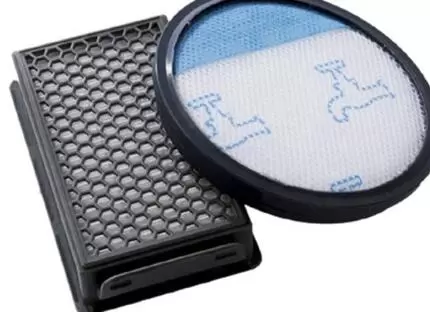
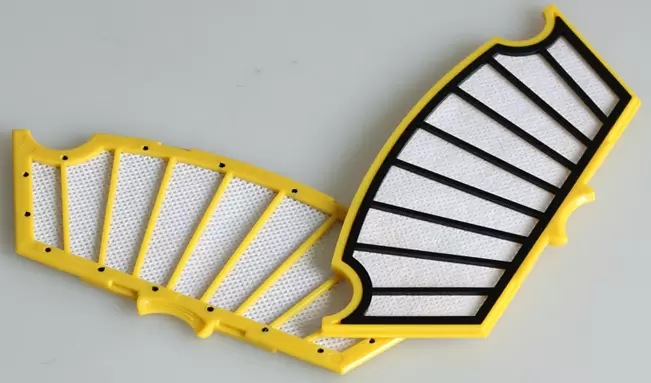
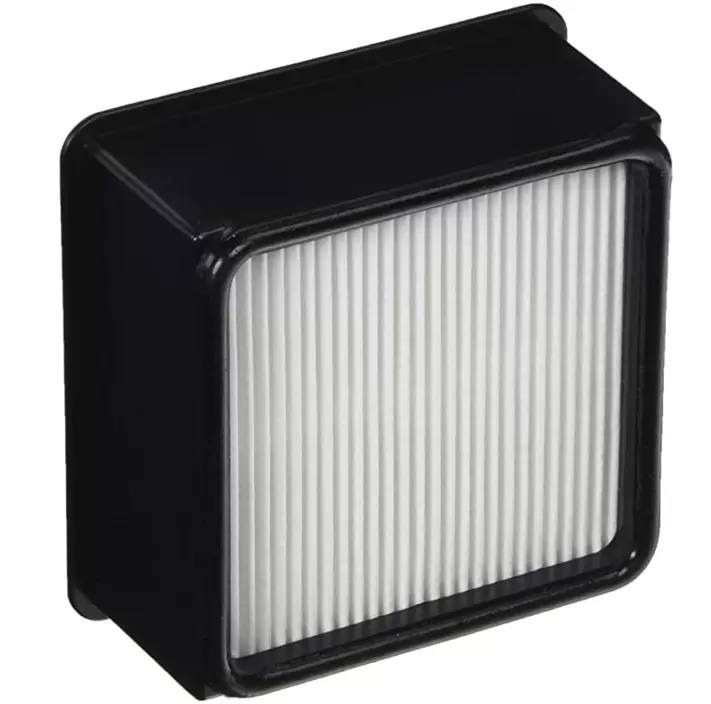
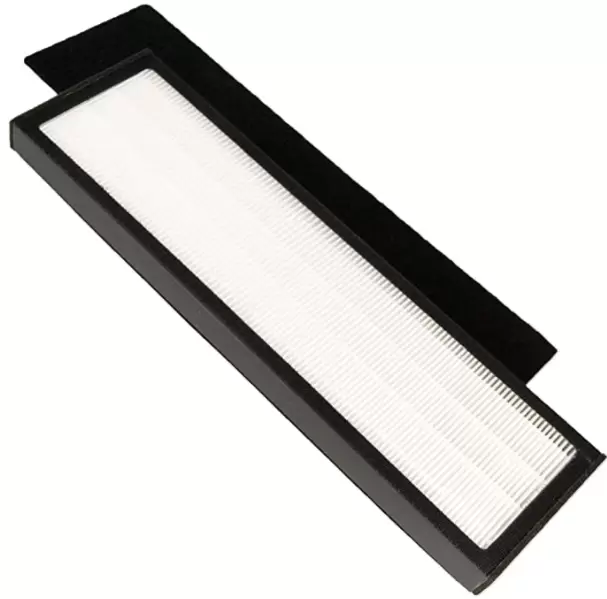
Our genuine replacement HEPA filters adopt high-density composite filter material. Their folded design offers large dust holding capacity and tight sealing for stable filtration performance. Compared with non-standard alternatives, original filters fit the air duct perfectly and are less prone to dust leakage, balancing filtration efficiency and airflow resistance. The company reminds consumers to choose authentic original filters. Inferior filters fail to meet filtration standards, easily causing dust leakage and endangering both appliances and family health.
Cleaning appliances do more than just sweep dust off floors. It is equally important to secure the filtering barrier at the air outlet. Moving forward, our company will keep upgrading HEPA filter products and filter materials, launching filters compatible with more vacuum models. We will also continuously publish home appliance maintenance guides to help users develop good maintenance habits. With reliable filtration technology, we safeguard indoor air quality for every family.